
What smoke testing can make clear
Leaks and spillage spotted
Controlled smoke helps reveal escape points and poor behaviour in the flue route.
Air movement considered
We factor in ventilation, doors and windows when reading the result of the test.
Reporting that guides action
The findings help shape decisions on chimney work, ventilation or fitting plans.
Checking the route, draw and integrity of the flue
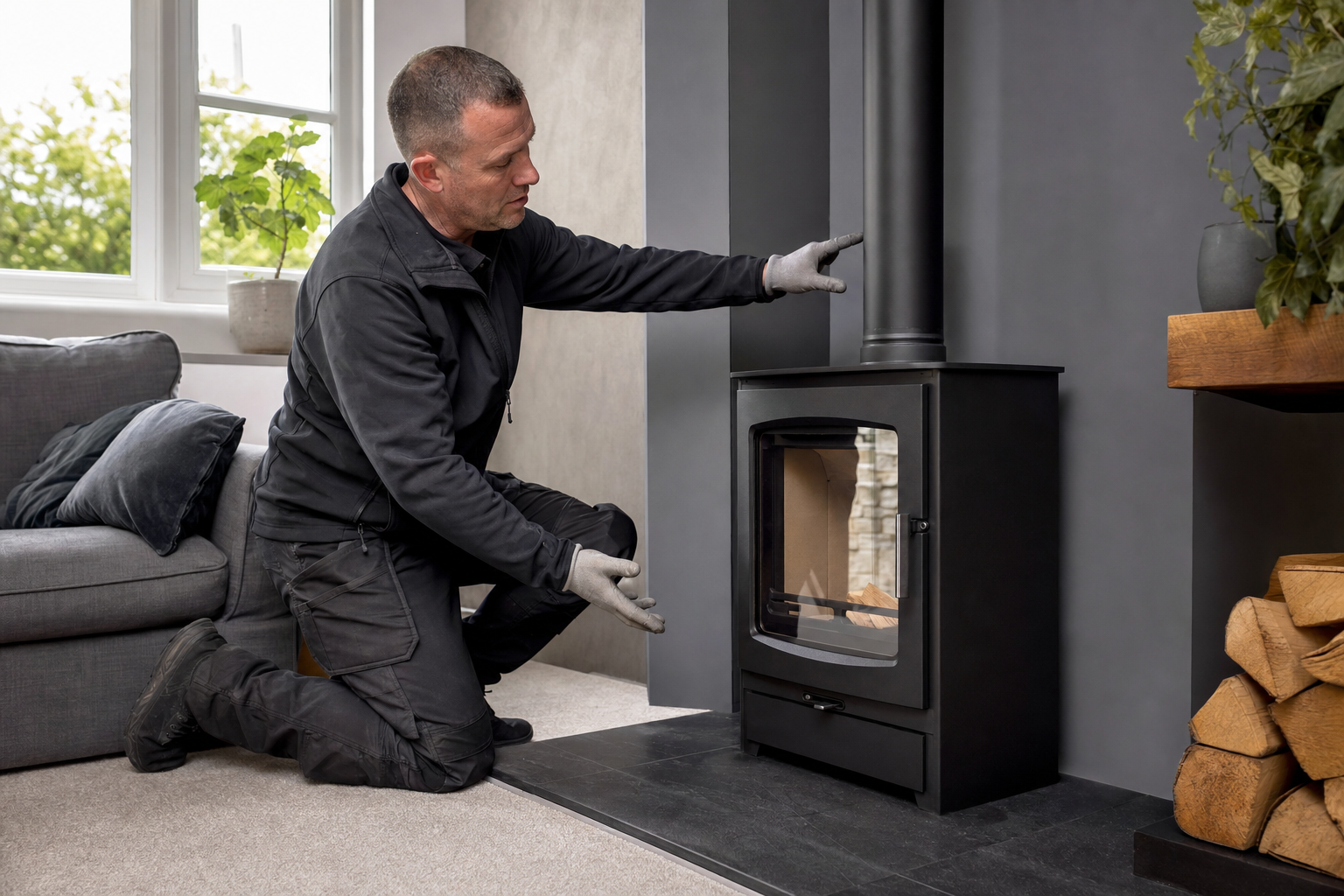
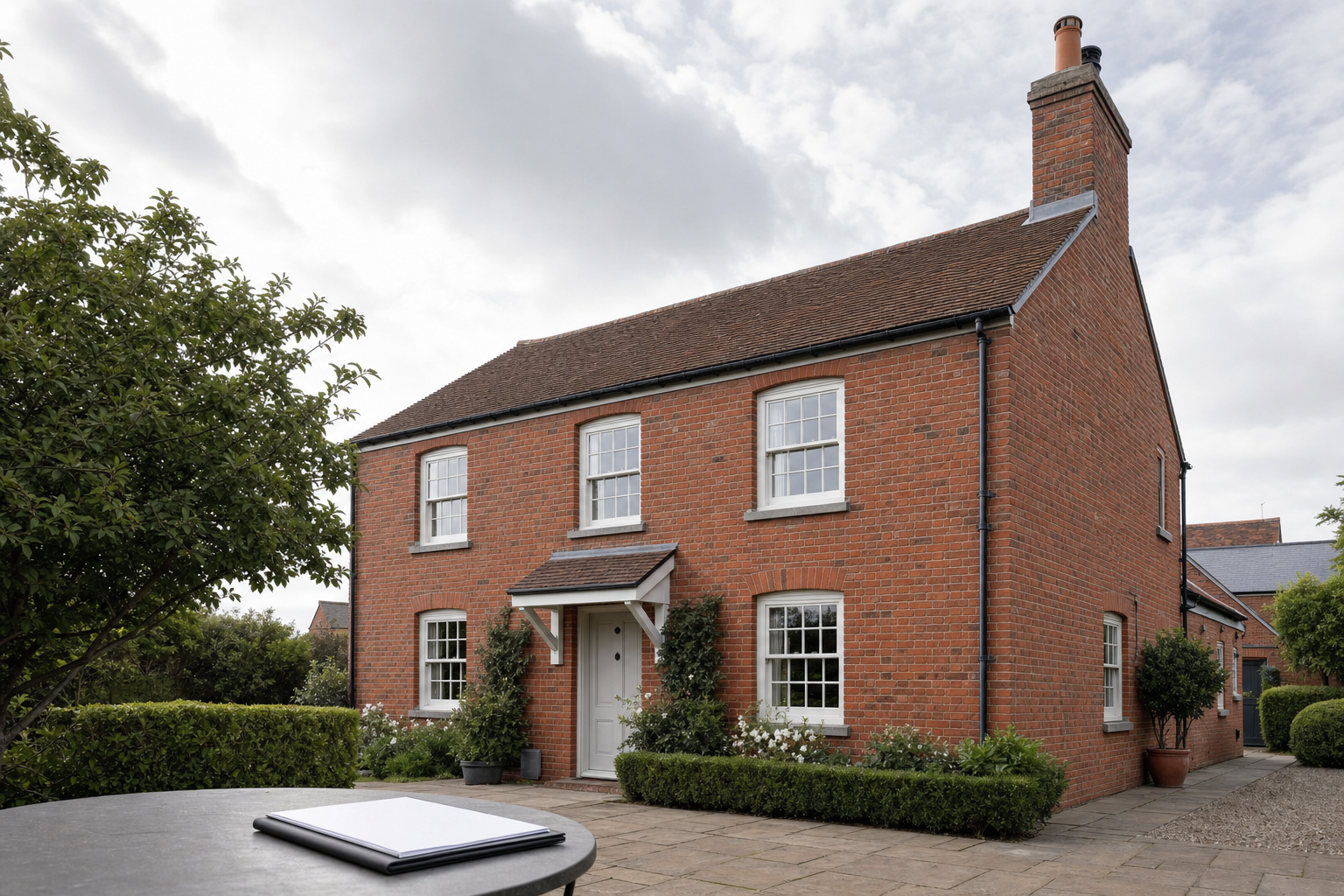
Smoke testing helps answer the sort of questions a homeowner usually asks after the second smoky fire, not the first. By introducing controlled smoke and watching how it behaves, we can assess the route, draw and integrity of the stove flue or chimney. If smoke leaks, spills or finds an unexpected way out, that tells us something important about the condition or suitability of the set-up. Choosing Hot House Stoves means the test is used as a practical tool, not as theatre for its own sake. From our Gainsborough base, we carry out smoke testing to help make sense of how the chimney is performing and whether further action is needed.
Useful before fitting and after chimney changes
Smoke tests are helpful during suitability assessment, after relevant chimney work or when smoke has started entering the room and nobody can say why. We also consider factors such as doors, windows and ventilation, because air movement in the property can affect the result and the explanation that follows. People turn to Hot House Stoves when they want a sensible reading of what the test means, and our reporting can point you towards issues with chimney condition, ventilation or remedial work before the problem grows into a regular household argument.
Frequently asked questions
When should we arrange a chimney smoke test?
It is useful before a proposed installation, after relevant chimney work or when smoke has started coming into the room and the cause is unclear. The test helps us understand how the flue is behaving and whether the route and condition are pointing to a wider issue.
What can a smoke test actually show?
A controlled test can show leakage, spillage and unexpected smoke routes, all of which matter when assessing the integrity and draw of the flue or chimney. It gives us practical evidence to work from rather than relying on a vague description of what happened last winter.
Do the results help plan repairs or fitting work?
Yes. We use the findings to advise on the condition of the chimney, the effect of ventilation and whether remedial work or more planning is needed. That makes the test useful not just for diagnosis, but for deciding what sensible step should come next.