
What proper servicing helps you avoid
Worn parts spotted early
We look for seals, bricks and plates that are starting to fail before they worsen.
Controls checked in use
Moving parts are inspected so the stove is easier to manage once it is lit.
Clear separation from sweeping
We explain what belongs to appliance servicing and what belongs to flue cleaning.
Keeping small faults from turning into bigger ones
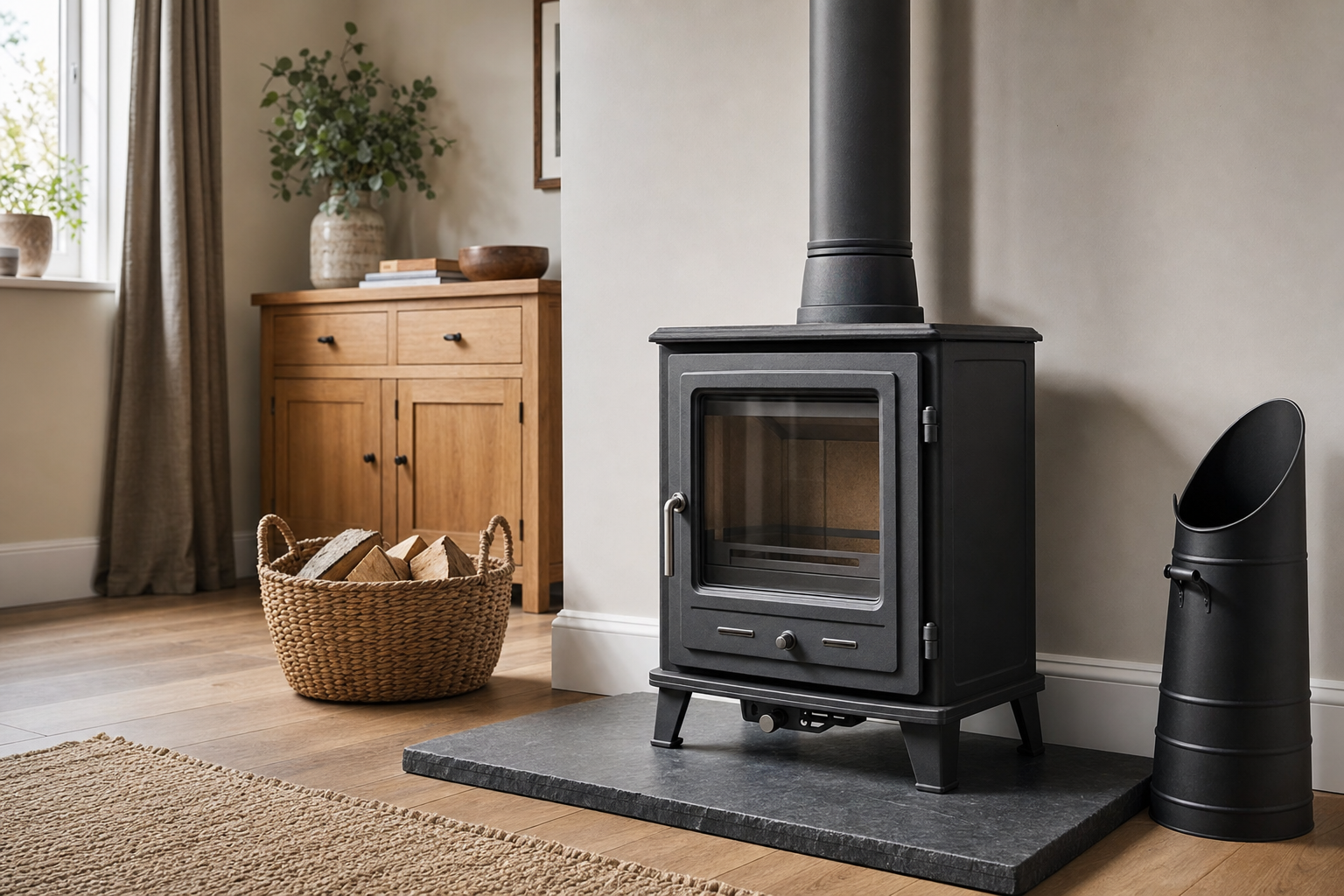
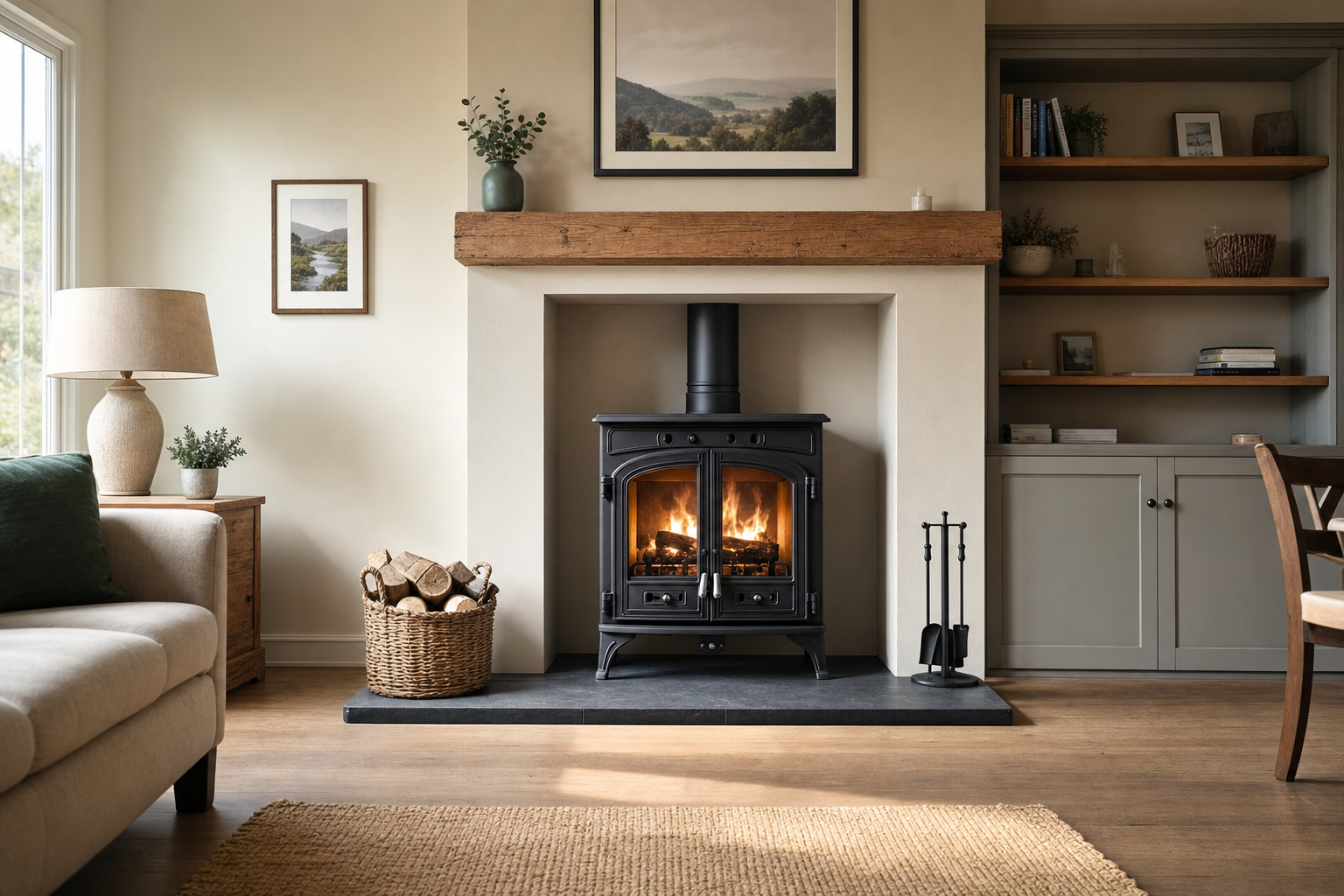
Stoves rarely break all at once. More often, a rope seal starts to fail, a firebrick cracks, the baffle wears, the controls stiffen up or the glass keeps showing that something is not quite right. Servicing helps catch those problems before they grow into a bigger nuisance. We inspect door seals, firebricks, baffle plates, glass, air controls, grates and visible flue connections, then clean internal deposits and check moving parts are working as they should. Choosing Hot House Stoves means the appliance is looked at as a working tool, not just a decorative feature. From our Gainsborough base, we service both log-burning and multi-fuel stoves with an eye on how they are actually performing in day-to-day use.
Useful maintenance, not just a quick once-over
A good service should tell you more than the obvious. We assess the condition of replaceable parts, look for signs that wear is affecting combustion and point out issues such as damaged seals, poor control of the fire or persistent deposits on the glass. That gives you a better idea of what needs doing now and what may need watching later. People turn to Hot House Stoves when the stove feels a bit off but not yet catastrophic, and regular servicing helps keep the appliance dependable between sweeps. It also makes clear where servicing ends and chimney sweeping begins, because both jobs matter but they are not the same thing.
Frequently asked questions
How do we know the stove needs servicing?
Common signs include poor control of the fire, damaged rope seals, cracked internal parts and deposits that keep building on the glass. Even without obvious faults, regular servicing is useful because it can pick up wear before it turns into a larger repair or a stubborn performance problem.
What parts are checked during a service?
We inspect items such as door seals, firebricks, baffle plates, glass, air controls, grates and visible flue connections. We also clean internal deposits and assess whether any replaceable parts are worn or damaged enough to affect how the stove runs.
Is stove servicing the same as chimney sweeping?
No. Servicing focuses on the appliance itself, including its internal parts, controls and visible connections. Sweeping deals with soot and deposits in the chimney or flue. Both help the system stay in better condition, but they tackle different parts of the set-up.